Program02 / 04
Children's Active Citizenship
To promote understanding of basic education and primary health care among community members, caregivers, and authorities for vulnerable children.
Results at a glance
Impact and results
The project made meaningful progress in strengthening vulnerable families and improving the well-being, education, health, and protection of children across the three target Sangkats. Through close collaboration with local authorities, schools, health centers, Family Development Volunteers (FDVs), parents, and community stakeholders, the project reached children, families, and community members with practical and integrated support.
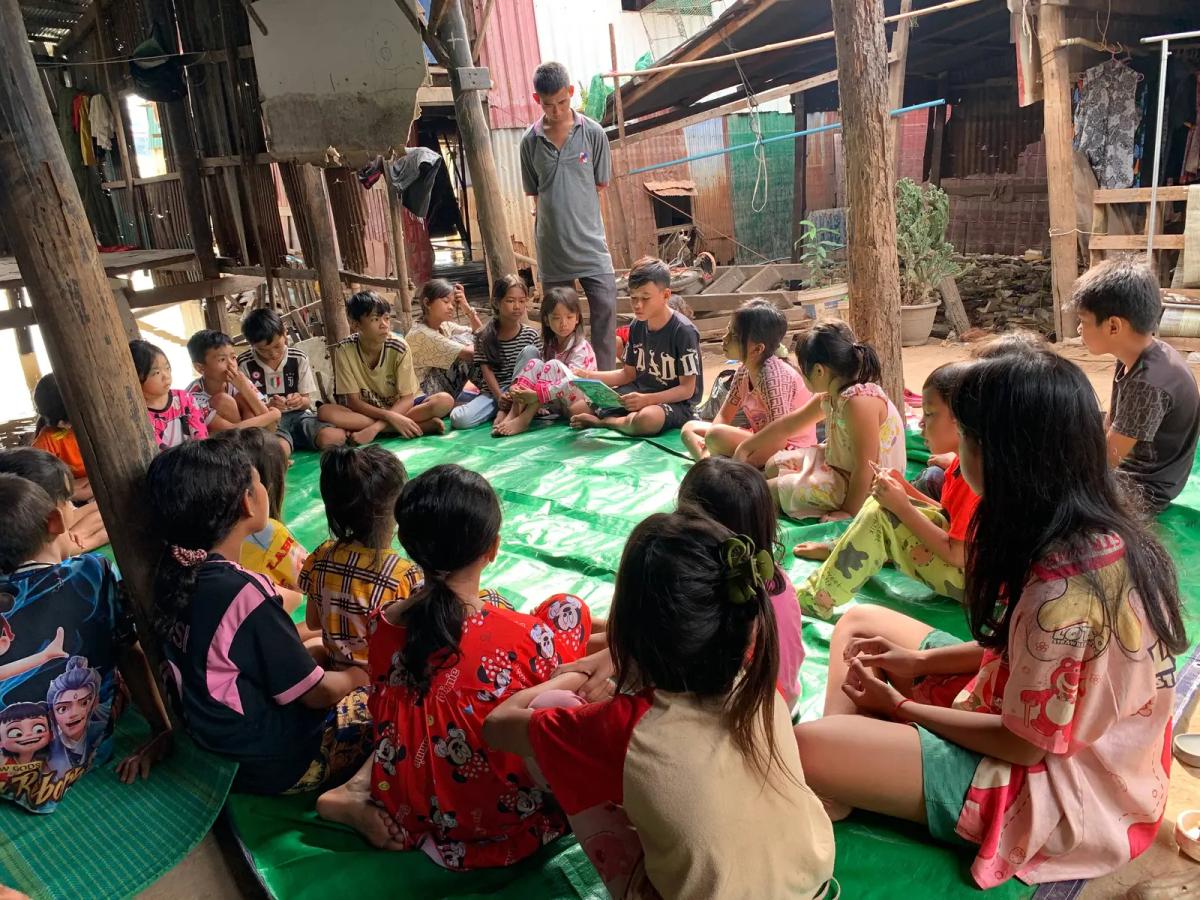
Under education and child protection, children demonstrated increased awareness of their rights, child protection, online safety, and the risks of drug use. Mobile library activities strengthened children’s reading, listening, communication, and learning engagement, while also improving their knowledge of road safety. The distribution of school materials to 410 children reduced financial pressure on vulnerable families and helped children remain motivated and better equipped for school. School Support Committee meetings also strengthened cooperation among schools, parents, volunteers, and local authorities, enabling stakeholders to identify children at risk of dropping out and develop practical solutions to support their continued education.
Under health, hygiene, and family well-being, the project improved access to basic healthcare for vulnerable families through 52 medical check-up sessions reaching 656 people within 2,624 indirect reaches, including children and elderly community members. Additional ear health services reached 159 people, particularly children, while health education promoted better sanitation, disease prevention, and awareness of available social protection and healthcare services. Environment Day activities engaged 289 direct reaches 1,156 indirect reaches and in practical hygiene and environmental actions, strengthening community responsibility for cleaner and healthier living environments.
The project also provided important food and emergency assistance to vulnerable families. A total of 33,910 kg of rice was distributed to 313 families supporting 410 children, while an additional 1,900 kg of emergency rice supported 189 families. These interventions helped reduce immediate household financial pressure and food insecurity, allowing parents to better focus on supporting their children’s education and well-being. Community contributions in Sangkat Chbar Ampov further demonstrated local solidarity and strengthened community ownership.
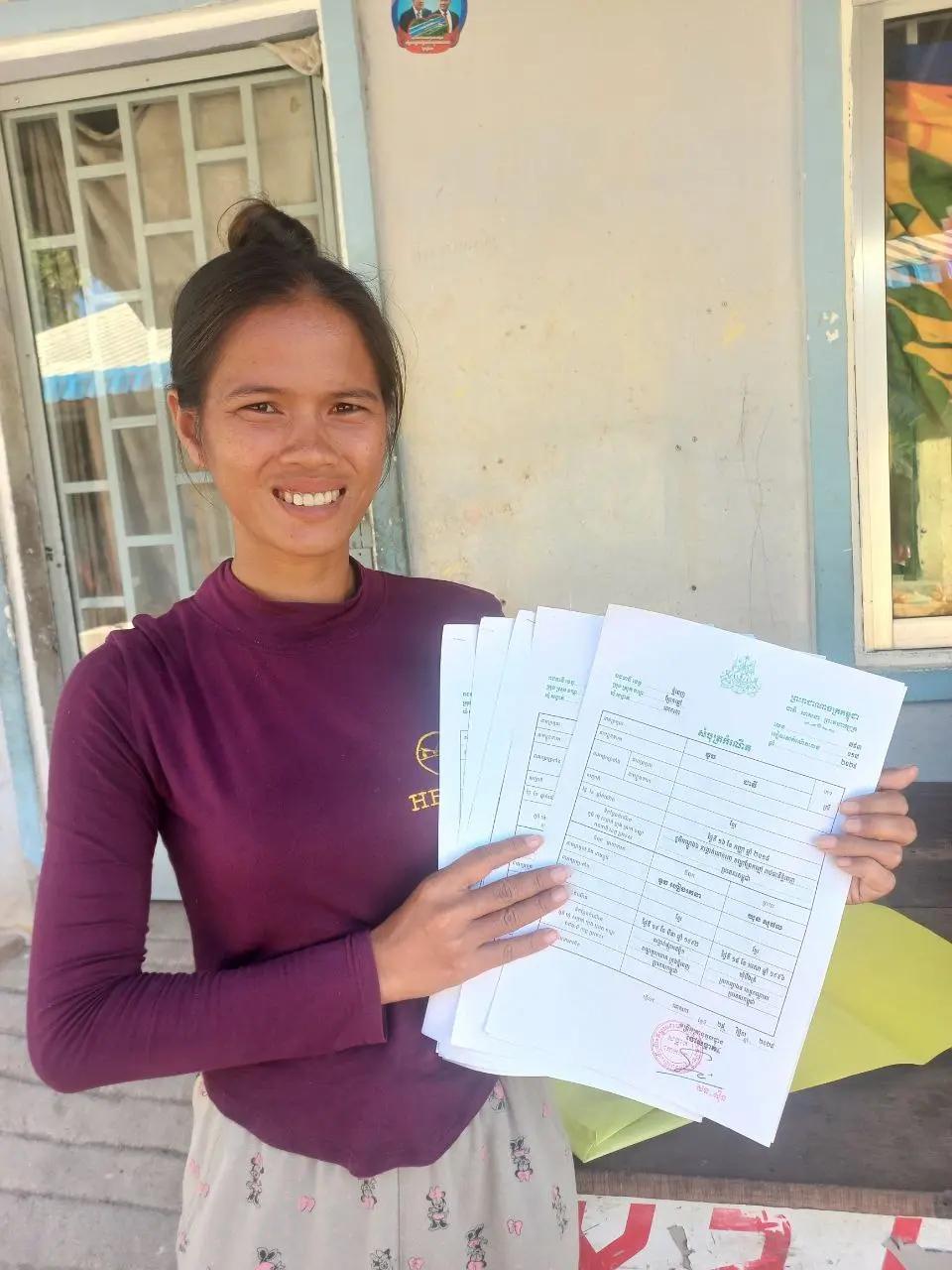
Under positive parenting and family development, community meetings strengthened parents’ knowledge and practices related to children’s education, health, stress management, legal documentation, communication, and positive parenting.
Overall, the project contributed to a more supportive and protective environment for vulnerable children and families, strengthening local ownership alongside schools, volunteers, parents and authorities.
This project shares its partner and highlight activities with its sister project, Promoting Children’s Education and Health through FDP. See that programme page for the full activity list.
Other programs
Housing and Living Condition Improvement (HALI)
To enhance the quality of life of families, especially children, youth and women, living in urban poor areas. Using the Family Development Program (FDP) methodology, SKO provides psychological counselling, resilience-building, information, and referrals to essential services (health, education, economic, administrative). The project also aims to reduce domestic violence and promote safe, healthy living.
Promoting Children's Education and Health through FDP
To foster awareness among parents, caregivers, and local authorities about the importance of basic education and primary health care for vulnerable children.
Resilient City and Migration Dynamics (RCMD)
To improve the well-being of migrants and vulnerable families through financial literacy, vocational training, legal and public services, education, health, environmental awareness, gender equality, and capacity-building for local authorities. The project also addresses gender-based violence and promotes community engagement.