Impact & results
SKO’s empowerment approach through the Family Development Approach (FDA) goes beyond providing immediate support.
Results at a glance
It helps families, youth, and children recognize their own strengths, build confidence, and take an active role in identifying challenges and finding solutions. Through counselling, guidance, and regular engagement, families gradually become more capable of making informed decisions and managing difficulties with greater confidence and resilience.
For children and youth, empowerment means giving them opportunities to be heard, express their needs, develop life skills, and participate in decisions that affect their lives. This helps them build confidence, responsibility, and hope for their future rather than depending only on external support.
At the family and community level, empowerment strengthens relationships, communication, mutual support, and community participation. Families become more connected to available services and resources, while communities become better able to support vulnerable children and families. The lasting impact of SKO’s work is therefore not only the support provided today, but the strength, knowledge, confidence, and resilience that people can carry forward and use to create positive change in their own lives and communities.
The lasting impact of SKO’s work is therefore not only the support provided today, but the strength, knowledge, confidence, and resilience that people can carry forward and use to create positive change in their own lives and communities.
Our family support programme
HALI Programme
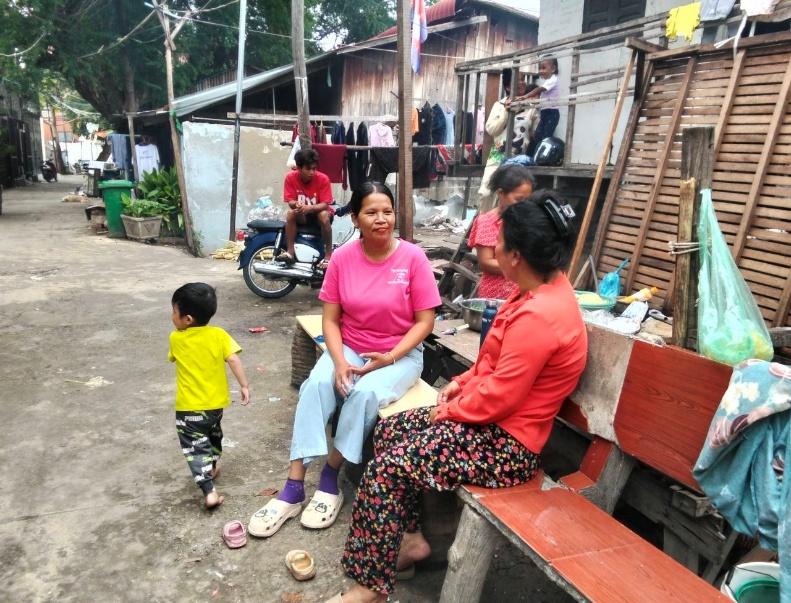
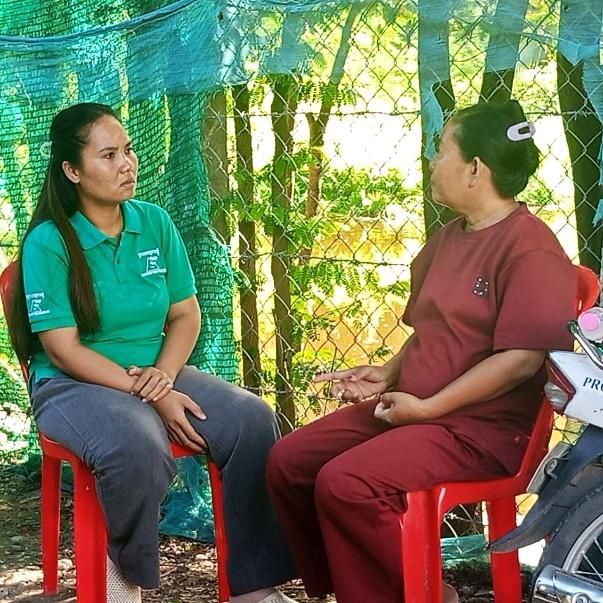
- Supported more than 400 vulnerable families, reaching almost 1,000 family members, through family counselling, psychosocial support, family development and community-based interventions.
- Improved families' emotional well-being, family relationships and coping capacities through needs-based support and counselling.
- Helped families improve their living conditions, strengthen resilience and identify practical solutions to their social and economic challenges.
Taiwan Fund for Children and Families (TFCF) – SKO1
- Supported vulnerable children and families through child sponsorship, educational assistance, family development and child well-being activities.
- Improved children's access to education and encouraged parents and caregivers to take greater responsibility for children's learning and development.
Taiwan Fund for Children and Families (TFCF) – SKO2
- Supported 390 children, including 204 girls and 186 boys, in Dangkor, Prey Veng and Prey Sar through education, child protection and community-based activities.
- Strengthened children's participation through child clubs involving 237 children and promoted a safer and more supportive environment for children's development.
Resilient Cities and Migration Dynamics (RCMD) – UNOPS / Cities Alliance
- Improved Urban Community Resilience: Reached 1,289 direct participants (168% of the original target of 765) through community engagement, awareness-raising, capacity building and support for vulnerable migrant and host-community families across three target areas in Phnom Penh.
- Expanded Community Engagement and Coordination: Reached approximately 31,172 people indirectly (99% of the target of 31,559). Strengthened collaboration among local authorities, community representatives and relevant stakeholders, expanding community-level coordination from the initial two target Sangkats and two Khans to broader engagement across 14 Khans and more than 100 Sangkats.
- Strengthened Family Well-being and Social Support: Delivered more than 3,000 counselling sessions and provided support to 201 vulnerable families through family development services, psychosocial support, parenting guidance and referrals to relevant services.
- Improved Access to Legal Documentation and Social Services: Supported vulnerable families to access essential legal documents and social protection services, including birth certificates, National IDs, Family Books, Staying Books, Equity Cards and NSSF registration. These interventions helped families improve their access to public services and social protection.
- Promoted Gender Equality and Women's Empowerment: Established and strengthened 11 community groups, including women's and men's groups, with 176 unique participants (85 men and 91 women). These groups provided opportunities for discussion, experience-sharing, gender awareness and collective community action.
- Strengthened Child Protection and Education: Conducted community awareness and support activities on child protection, safe online practices, positive parenting and children's well-being. The project also supported nine children to return to school through relevant interventions.
- Improved Access to Health and Community Services: Conducted health awareness and community health activities, helping families better understand available health services and encouraging improved access to local health facilities.
Our programs
Housing and Living Condition Improvement (HALI)
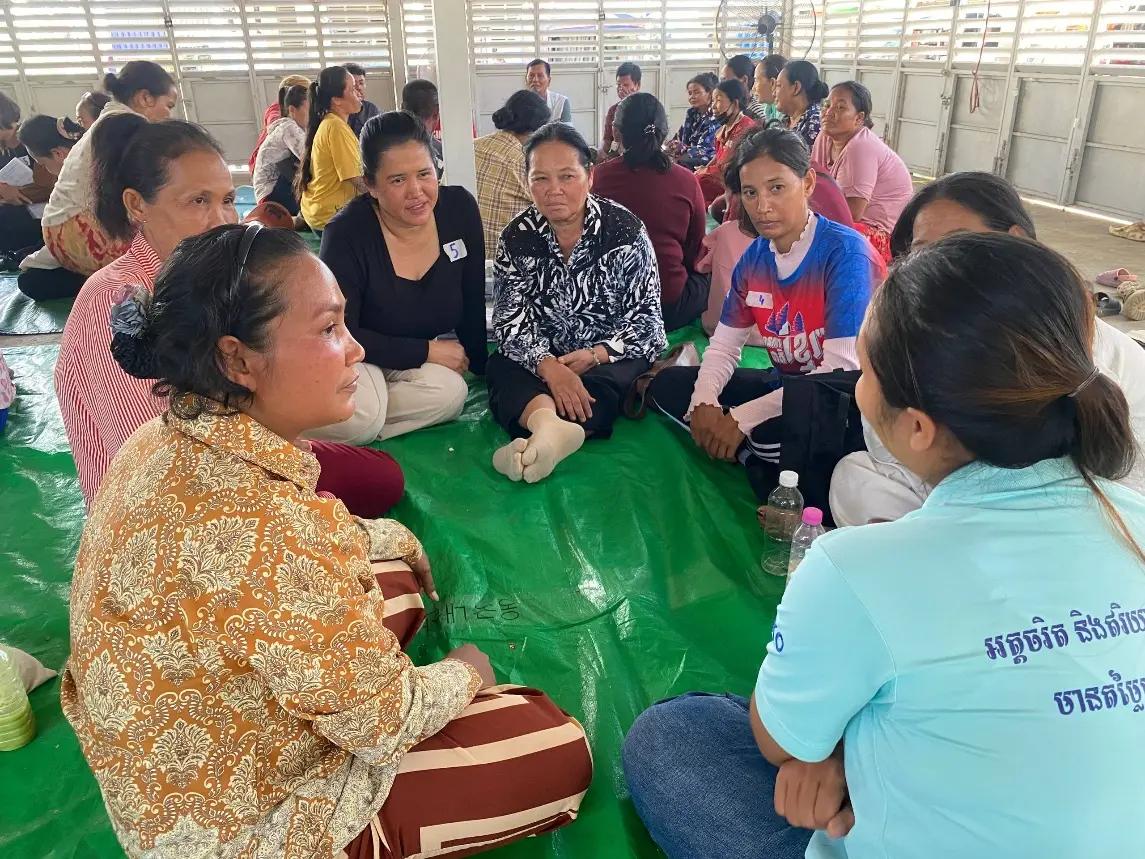
To enhance the quality of life of families, especially children, youth and women, living in urban poor areas. Using the Family Development Program (FDP) methodology, SKO provides psychological counselling, resilience-building, information, and referrals to essential services (health, education, economic, administrative). The project also aims to reduce domestic violence and promote safe, healthy living.
Children's Active Citizenship
To promote understanding of basic education and primary health care among community members, caregivers, and authorities for vulnerable children.
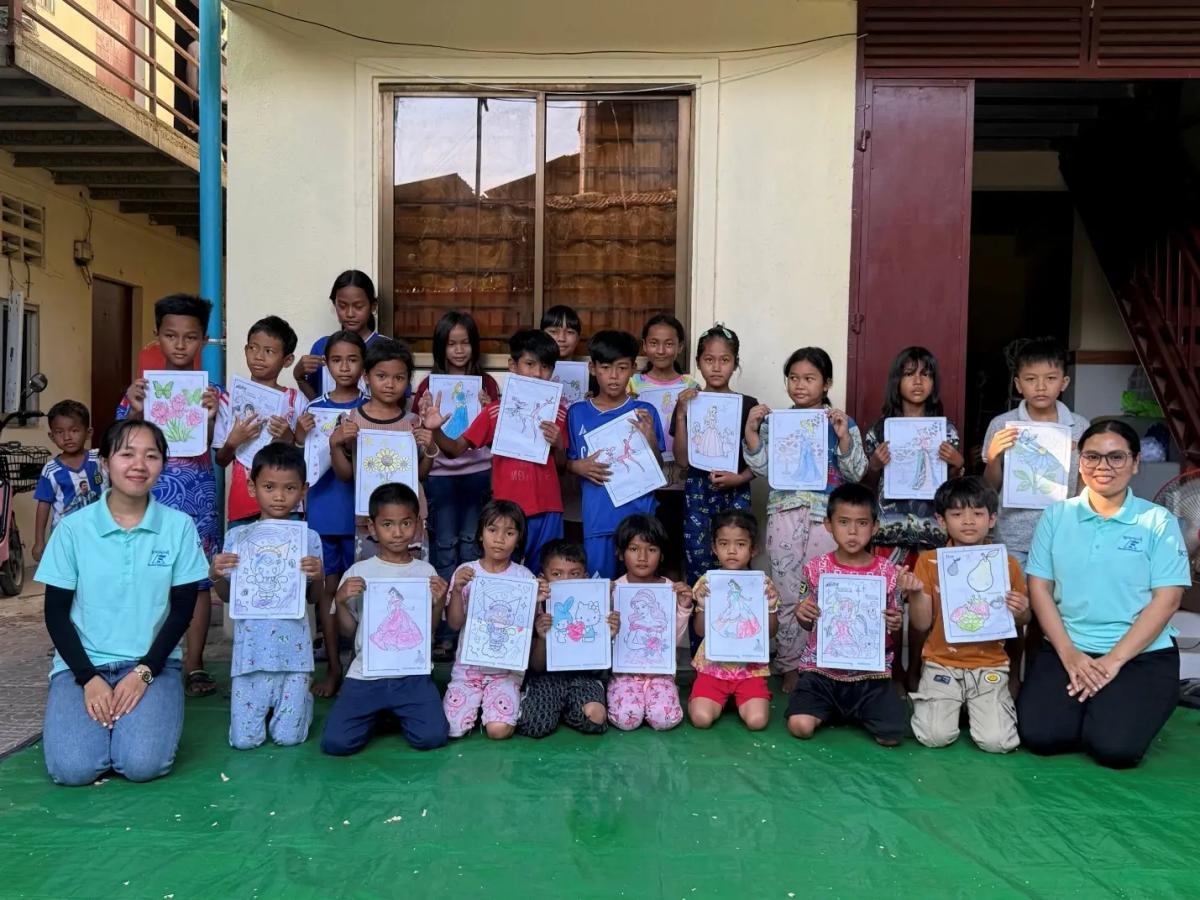
Promoting Children's Education and Health through FDP
To foster awareness among parents, caregivers, and local authorities about the importance of basic education and primary health care for vulnerable children.
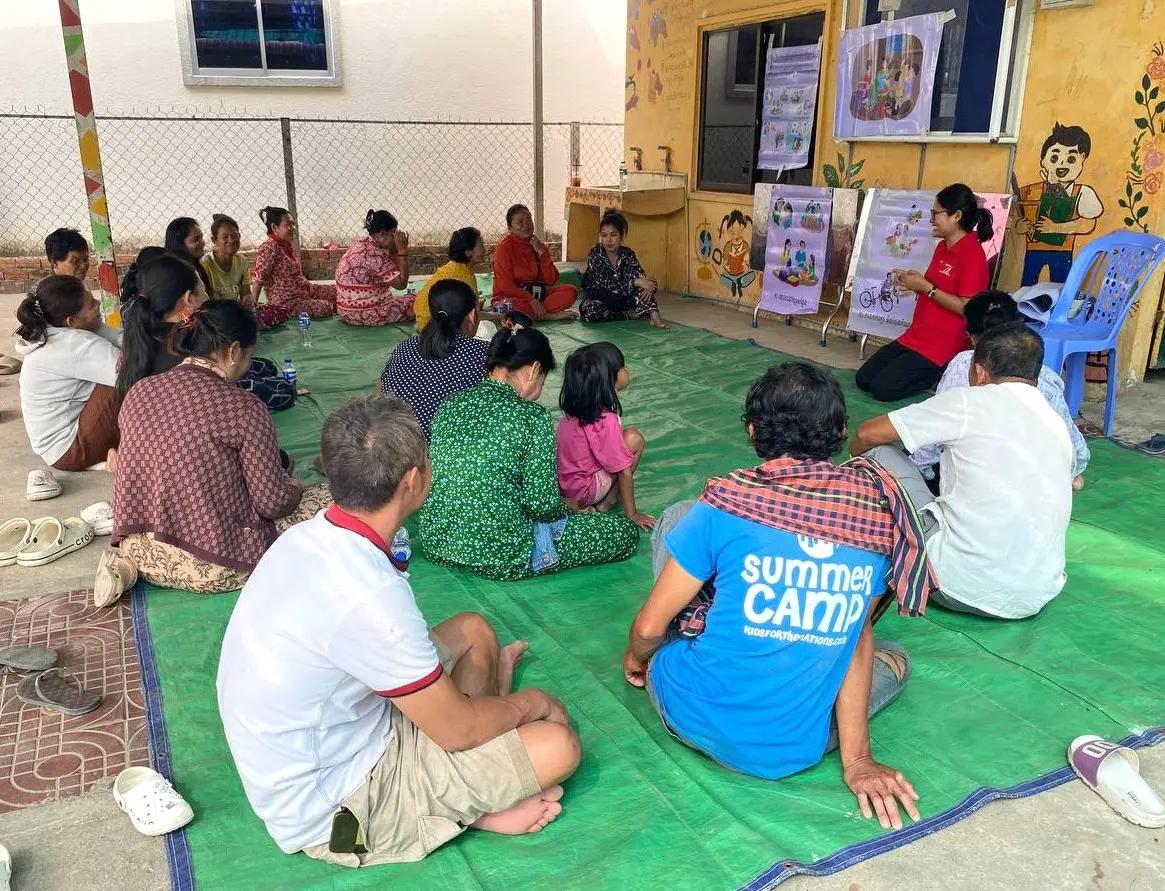
Resilient City and Migration Dynamics (RCMD)
To improve the well-being of migrants and vulnerable families through financial literacy, vocational training, legal and public services, education, health, environmental awareness, gender equality, and capacity-building for local authorities. The project also addresses gender-based violence and promotes community engagement.
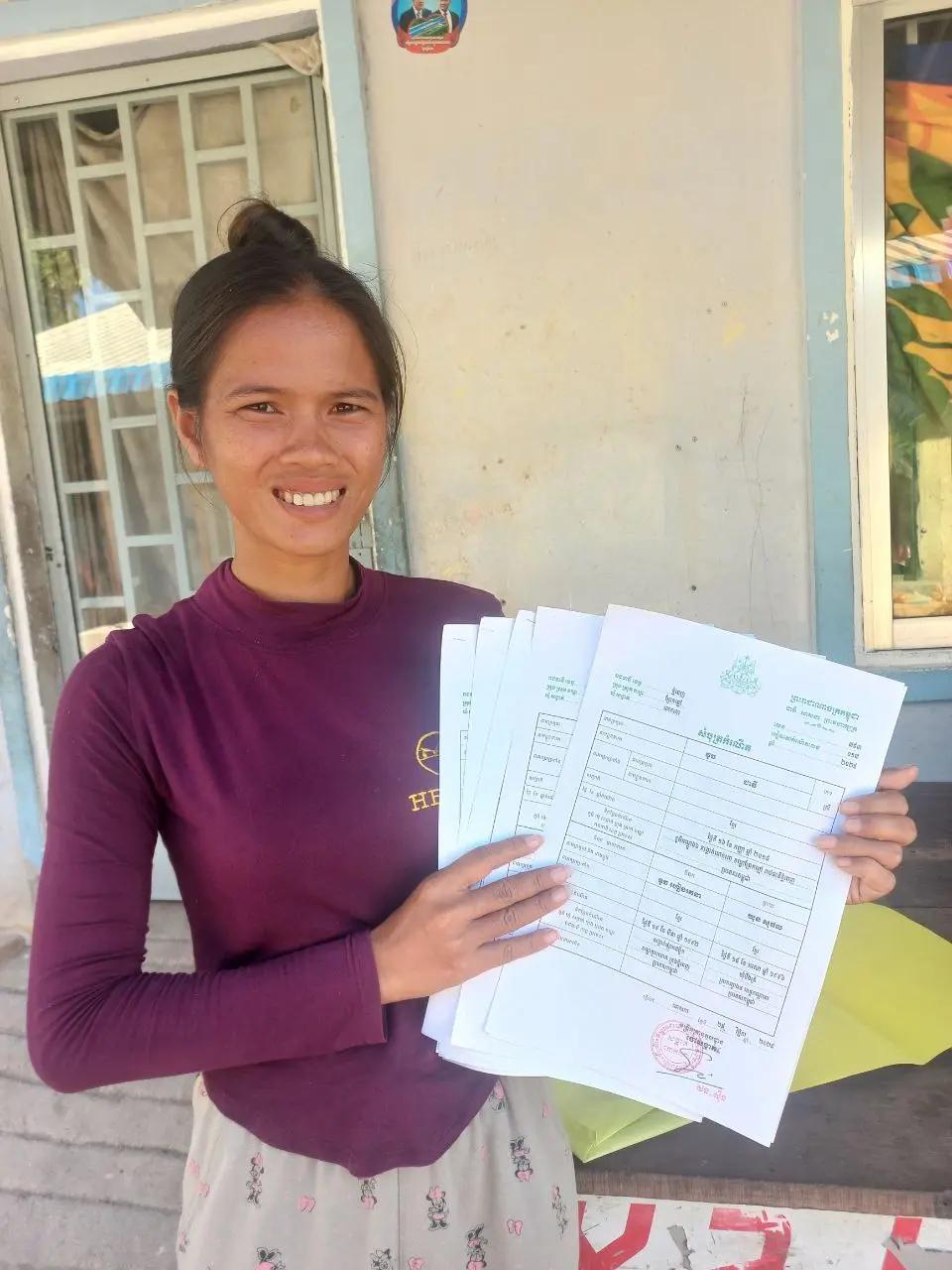
My name is Sok Vanny. I am a 57-year-old widow living in the Andoung 6 community, Sangkat Kouk Roka, Khan Prek Pnov. I am the primary caregiver for my two young grandchildren, who were left in my care after being abandoned by their parents.