Program03 / 04
Promoting Children's Education and Health through FDP
To foster awareness among parents, caregivers, and local authorities about the importance of basic education and primary health care for vulnerable children.
Results at a glance
What we do
- Child Protection TrainingBuilding children’s capacity to understand and respond to different forms of violence (emotional, sexual, physical, neglect, exploitation).
- Leadership and Management Training for youth and young peoplePromotes knowledge, capacity and skill, and a positive, results-oriented attitude, so young people can lead and manage their daily work and living conditions, starting young and carrying into their careers.
- Mobile LibraryImproving reading skills, promoting education, and teaching safety practices such as traffic awareness.
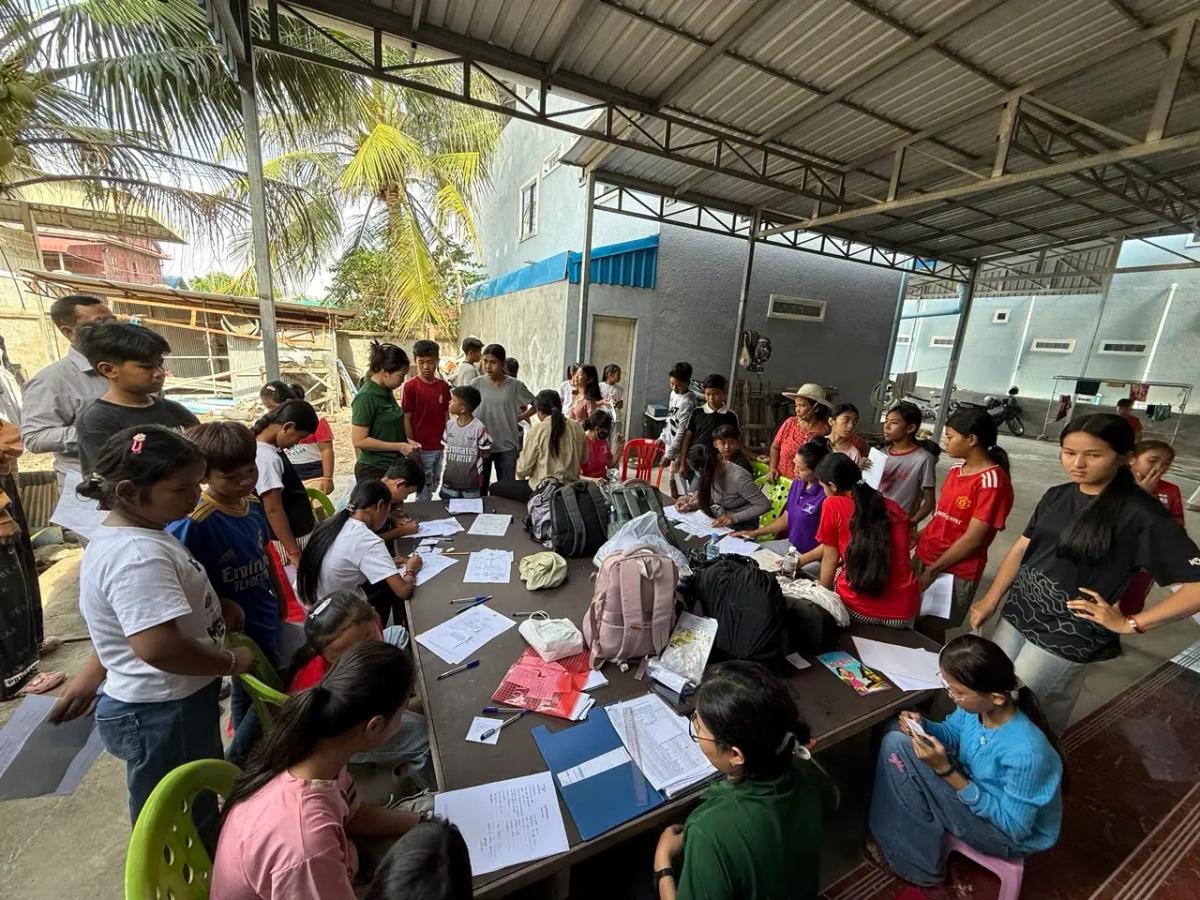
- Distribution of School Materials & Emergency SupportProviding essential supplies to vulnerable children, encouraging school attendance, and mobilizing resources from charities and NGOs.
- School Support Committee MeetingsCollaboration with CCWC, SSC, local authorities and teachers to monitor student progress and address challenges.
- Medical CheckupsHealth services for vulnerable children and families in partnership with health centres.
- Environment & Hygiene CampaignsPromoting sanitation, hygiene and community clean-up activities as role models for children and families.
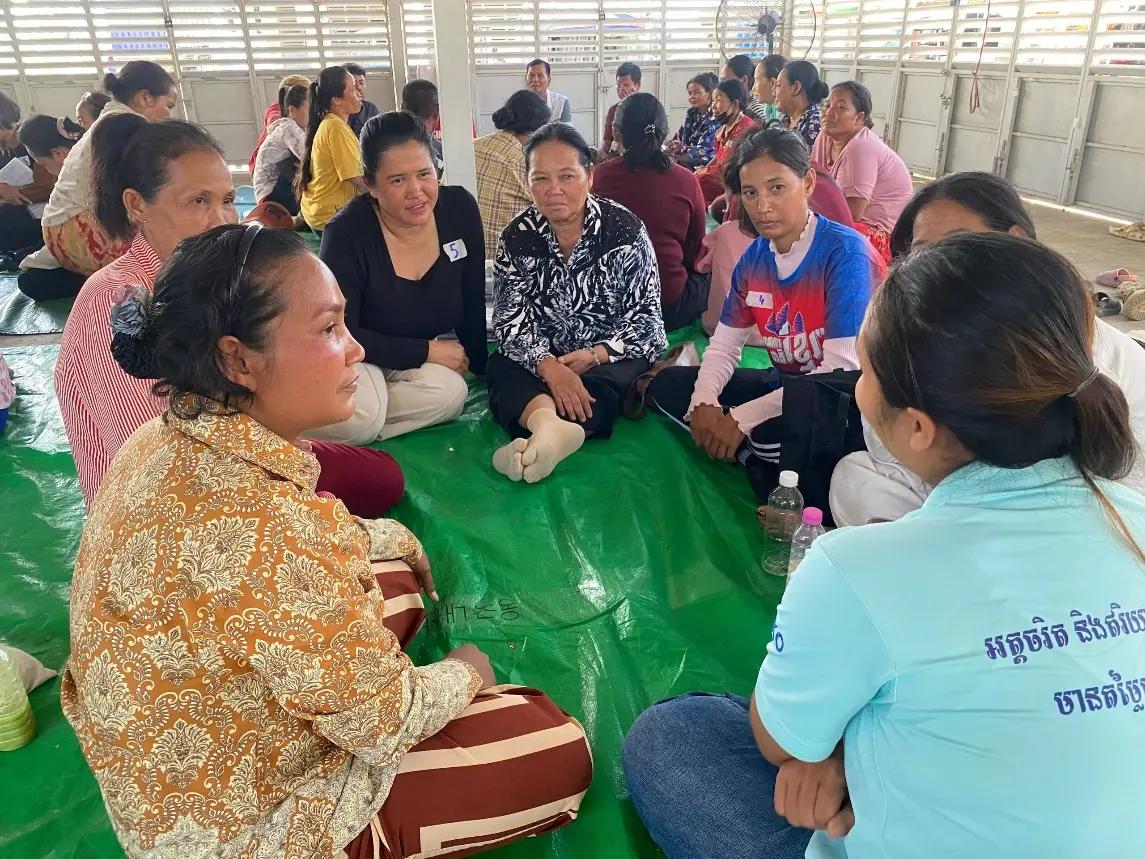
- Community MeetingsPromoting positive parenting, child protection and child rights while encouraging parents to share practices and find solutions to education and health challenges, strengthening parents’ and caregivers’ capacity to manage stress and anger, and building more positive, peaceful, resilient thinking for the family, children and community.
Partner
Family Fund for Children Organization.

Impact and results
The Community Development Project, implemented through SKO’s Family Development Approach, contributed to improving the education, health, protection, and overall well-being of 390 vulnerable children (204 girls and 186 boys) and their families in Sangkat Prey Veng, Prey Sar, and Dangkor of Khan Dangkor. The project combined direct support to children with family strengthening, community engagement, health services, and collaboration with local authorities, schools, health centers, and Family Development Volunteers (FDVs).
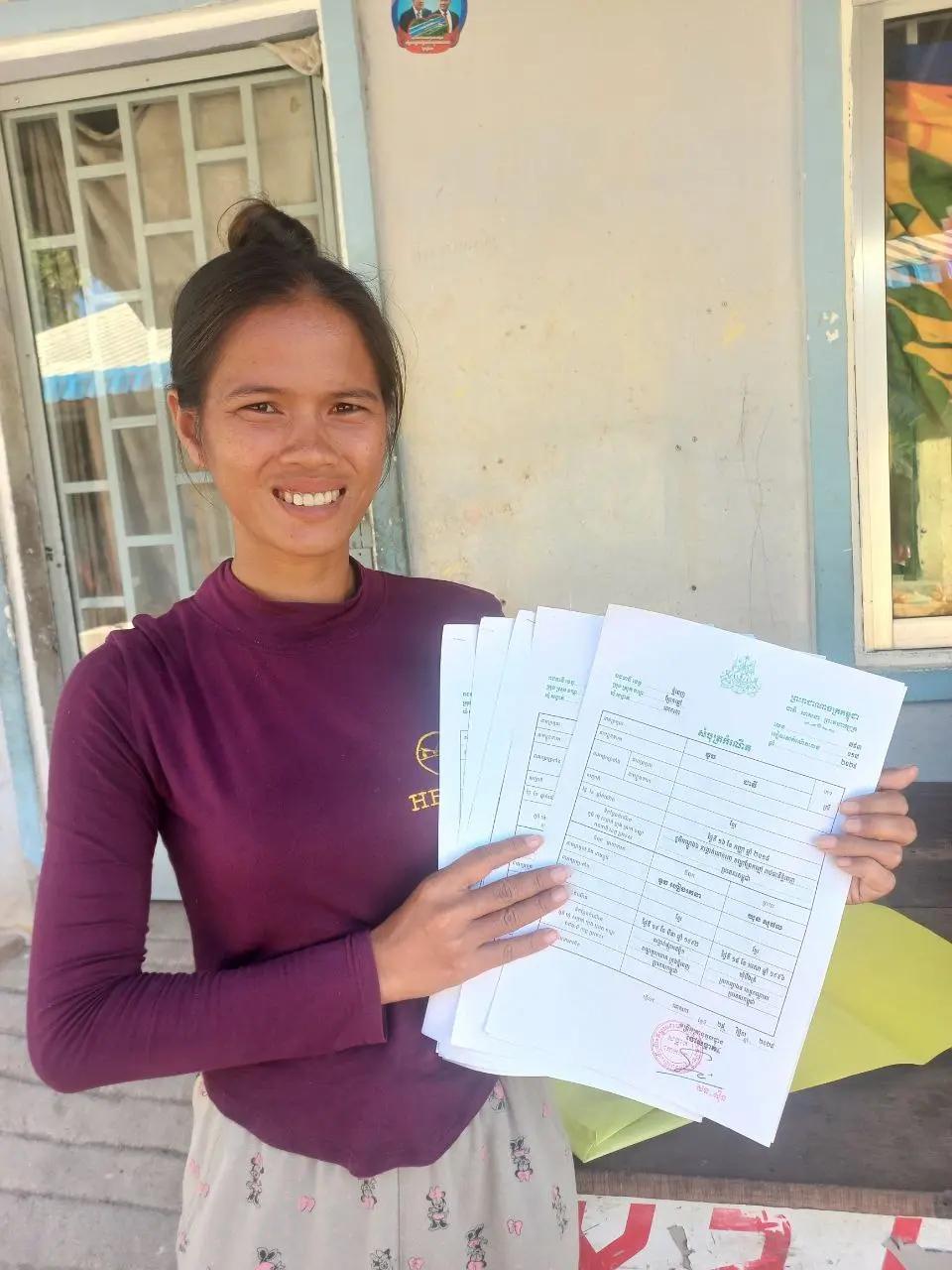
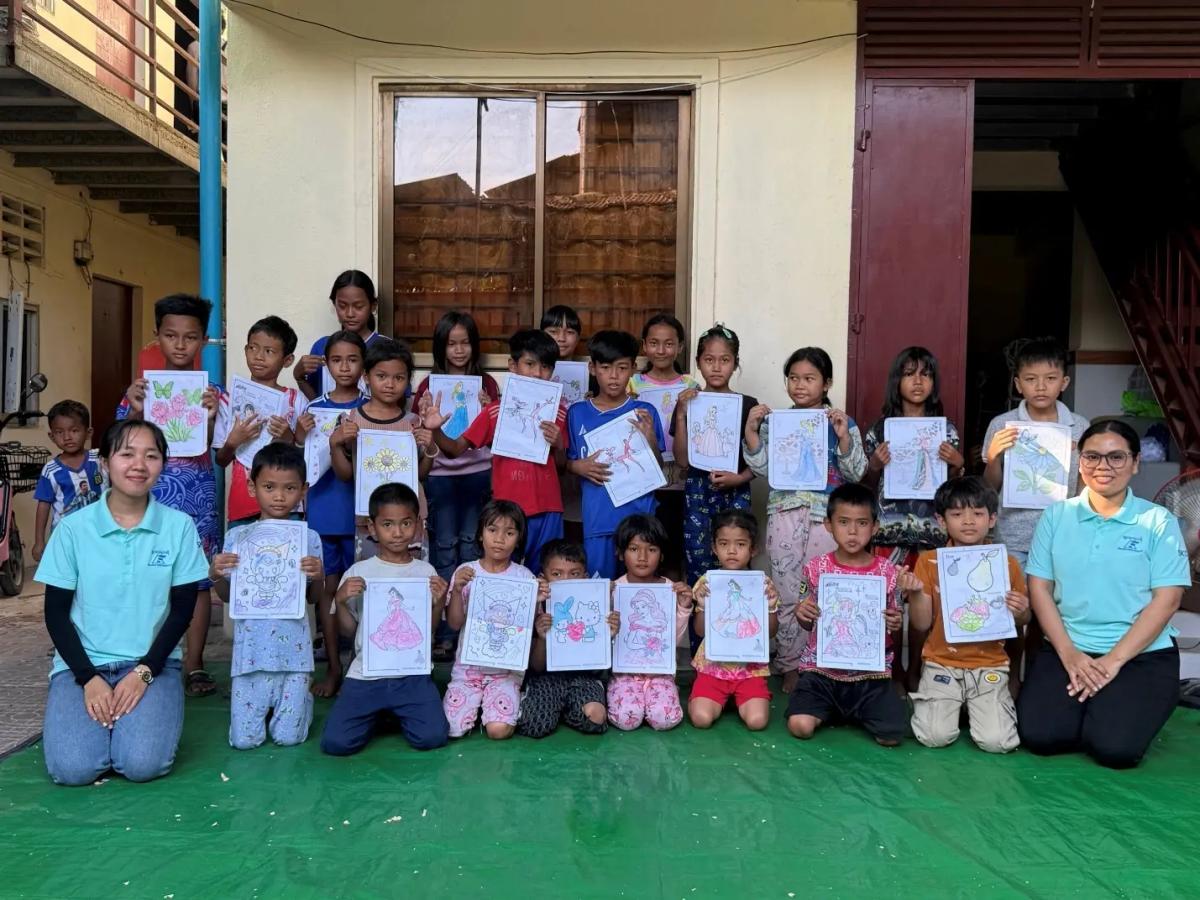
Under Objective 1, the project strengthened children’s access to education, learning opportunities, and protection. Four Children’s Clubs provided safe and structured spaces for children to learn, interact, develop life skills, and participate in positive activities. Children’s Club meetings 237 direct reached children and 474 indirect reaches children, increasing their awareness of child rights, protection, online safety, and drug prevention. 40 mobile library sessions reached 182 children, promoting reading, creativity, peer learning, nutrition, hygiene, and road safety. School materials were provided to all 390 target children from 322 families, reducing financial pressure on vulnerable households and helping children remain prepared and engaged in school. Six School Support Committee meetings further strengthened collaboration among schools, parents, FDVs, and local authorities to address challenges such as absenteeism and e-cigarette use and to improve monitoring of children’s education.
In addition, 24,700 kg of rice was distributed to 247 vulnerable families supporting 304 children, while emergency rice assistance supported another 150 families.
Overall, the project strengthened the capacity of vulnerable families to better support their children’s education, health, protection, and development, with stronger collaboration among parents, schools, FDVs, health centers, and local authorities.
Other programs
Housing and Living Condition Improvement (HALI)
To enhance the quality of life of families, especially children, youth and women, living in urban poor areas. Using the Family Development Program (FDP) methodology, SKO provides psychological counselling, resilience-building, information, and referrals to essential services (health, education, economic, administrative). The project also aims to reduce domestic violence and promote safe, healthy living.
Children's Active Citizenship
To promote understanding of basic education and primary health care among community members, caregivers, and authorities for vulnerable children.
Resilient City and Migration Dynamics (RCMD)
To improve the well-being of migrants and vulnerable families through financial literacy, vocational training, legal and public services, education, health, environmental awareness, gender equality, and capacity-building for local authorities. The project also addresses gender-based violence and promotes community engagement.