Program01 / 04
Housing and Living Condition Improvement (HALI)
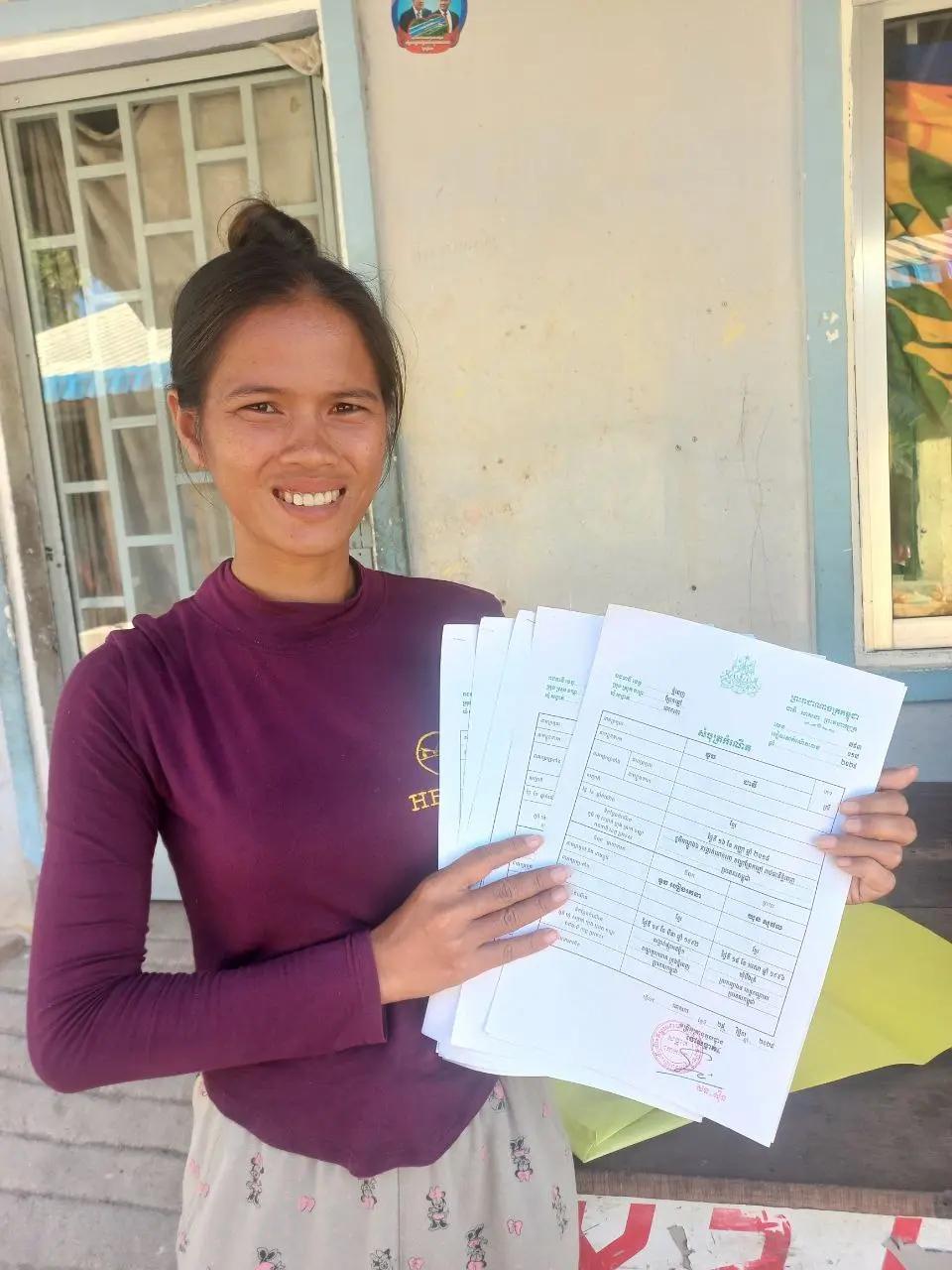
To enhance the quality of life of families, especially children, youth and women, living in urban poor areas. Using the Family Development Program (FDP) methodology, SKO provides psychological counselling, resilience-building, information, and referrals to essential services (health, education, economic, administrative). The project also aims to reduce domestic violence and promote safe, healthy living.
Results at a glance
What we do
- Home CounselingPsychosocial support for families, particularly women experiencing domestic violence. Social workers help identify issues, strengths, and solutions, while connecting families with NGO partners for services.
- Community House CounselingA safe, confidential space for beneficiaries, especially women, to discuss challenges and receive emotional support.
- Family Development Program TrainingCapacity-building for local authorities (CCWCs) and Family Development Volunteers (FDVs) to strengthen support for vulnerable households and reduce domestic violence.
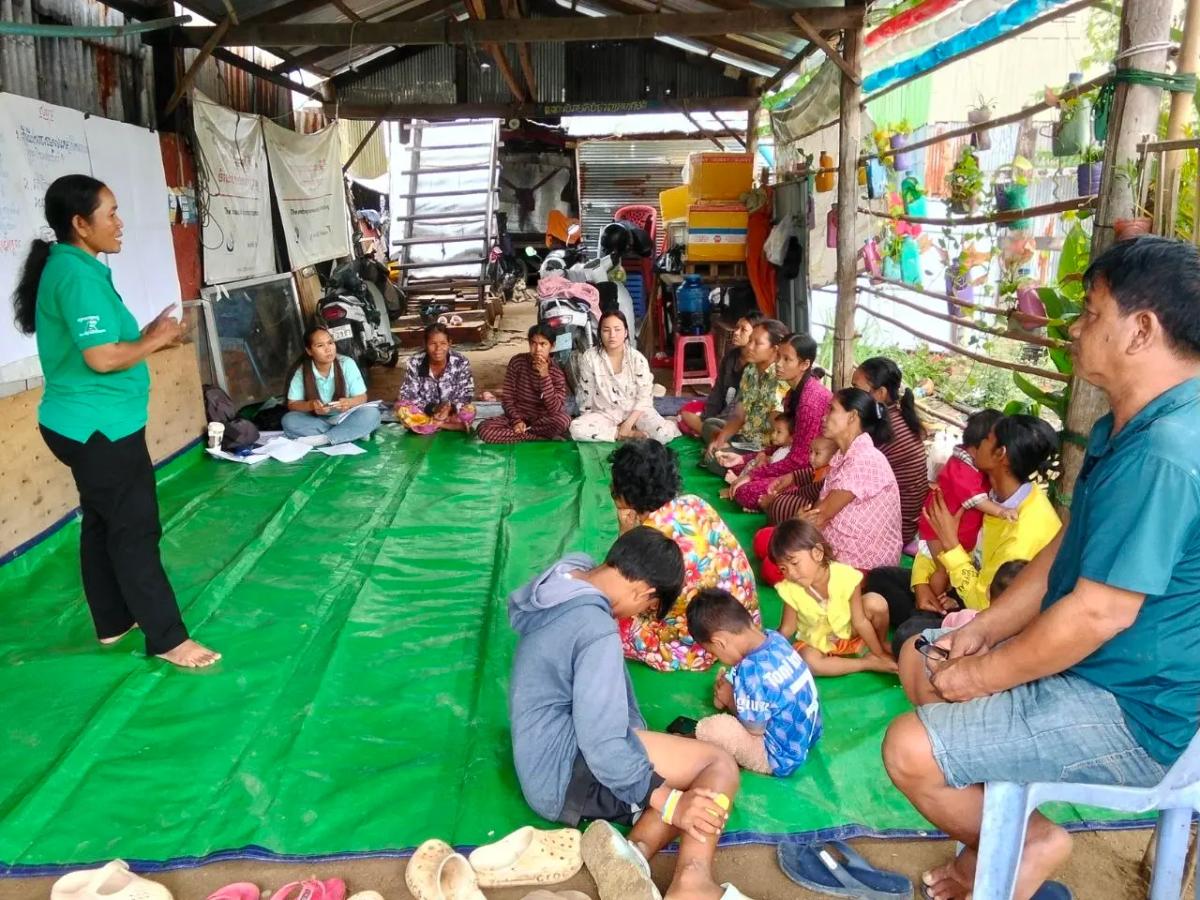
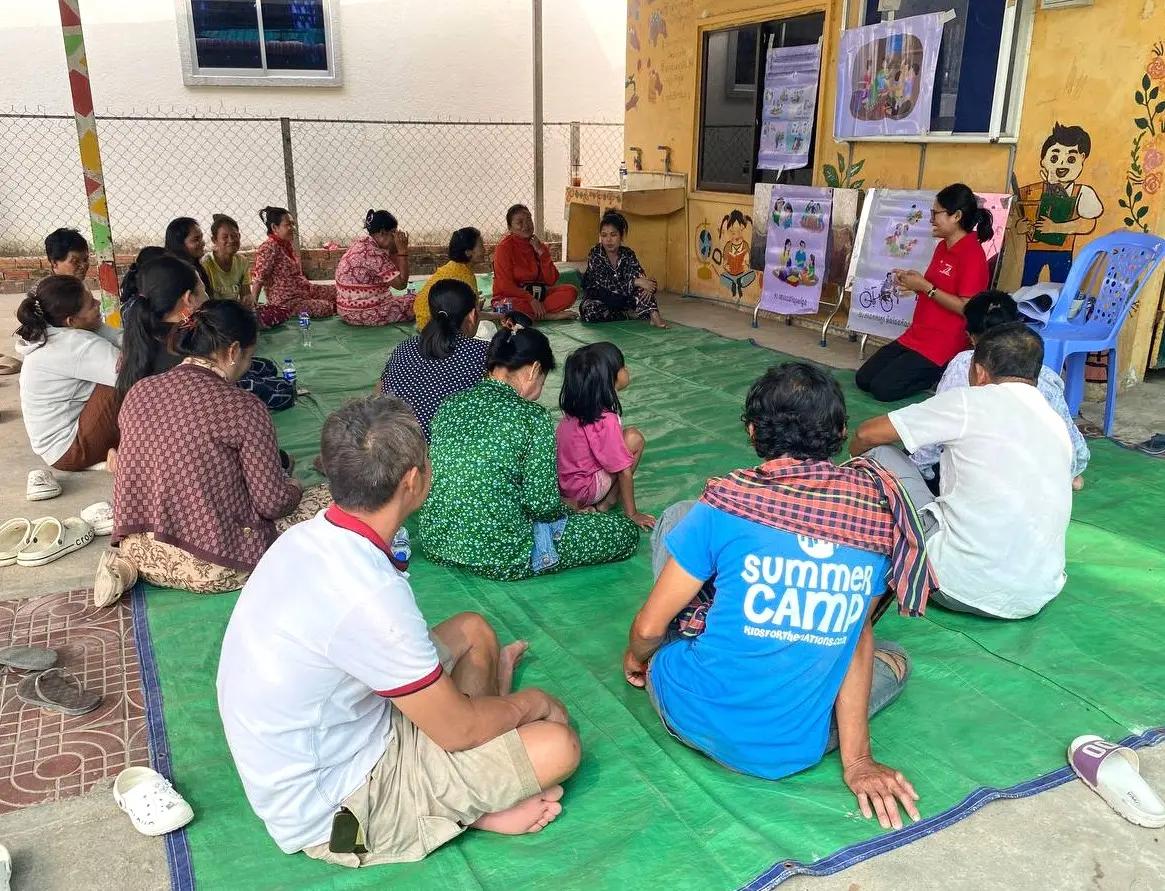
- Gender Group DiscussionsCommunity dialogues to share experiences, promote behavioural change, and improve family relationships.
- Gender-Based Violence TrainingAwareness and response training for local authorities and community leaders to strengthen referral systems and support victims.
Partner
Planète Enfants & Développement (PE&D).
Impact and results
Family counselling was provided to 200 households. SKO’s family counselling has proven instrumental in resolving intra-household conflicts and fostering healthier relationships, with a notable percentage of beneficiaries reporting a reduction in domestic violence and improved emotional well-being. 97% of beneficiaries surveyed who received assistance from social workers reported feeling more capable than before of dealing with problems, or knowing better where to get help. Of beneficiaries using referral services facilitated by a social worker, 95% report they will continue to use referral services in future and are satisfied with them.
Gender awareness and empowerment through gender discussion groups reached 80% of all HALI beneficiaries, through SKO training (40 individuals) and CAFÉ training with PE&D (122 individuals). A large majority of beneficiaries consider gender-based violence a serious issue. 89% of beneficiaries report more equitable decision-making within households, and 75% of female respondents report that they make decisions on financial matters in the household. 94% of beneficiaries surveyed know where to seek assistance if they or someone they know experiences gender-based violence.
Daily engagement by social workers in the community and within households over an extended period, giving households tools for problem-solving, intra-household communication and links to existing services, has proven crucial to these results within a relatively short period (1.5 years per target area), while also drawing the community into other project activities.
Group discussions for men and women, including role-playing, have proven effective at engaging participants and helping them understand gender roles and coping mechanisms against stereotypes and domestic violence.
Other programs
Children's Active Citizenship
To promote understanding of basic education and primary health care among community members, caregivers, and authorities for vulnerable children.
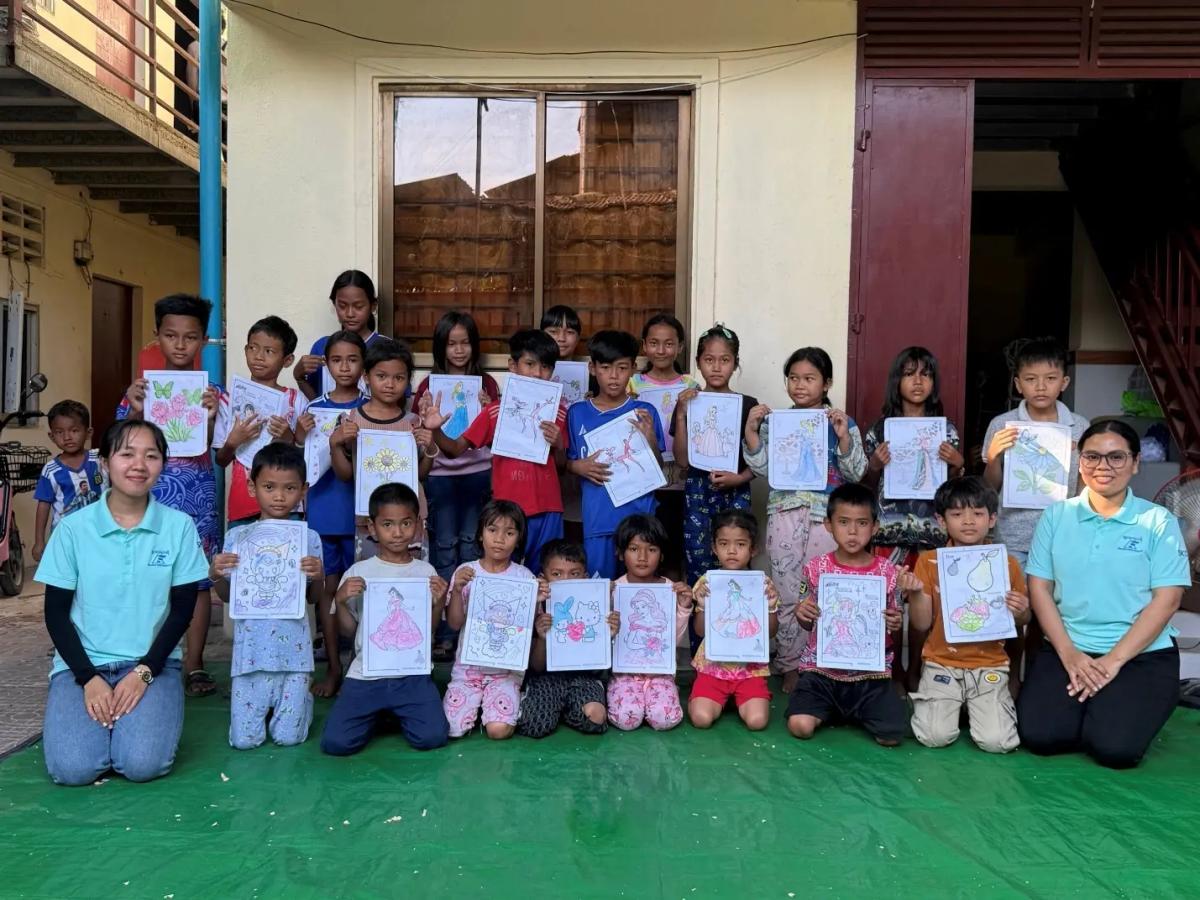
Promoting Children's Education and Health through FDP
To foster awareness among parents, caregivers, and local authorities about the importance of basic education and primary health care for vulnerable children.
Resilient City and Migration Dynamics (RCMD)
To improve the well-being of migrants and vulnerable families through financial literacy, vocational training, legal and public services, education, health, environmental awareness, gender equality, and capacity-building for local authorities. The project also addresses gender-based violence and promotes community engagement.