Program04 / 04
Resilient City and Migration Dynamics (RCMD)
To improve the well-being of migrants and vulnerable families through financial literacy, vocational training, legal and public services, education, health, environmental awareness, gender equality, and capacity-building for local authorities. The project also addresses gender-based violence and promotes community engagement.
What we do
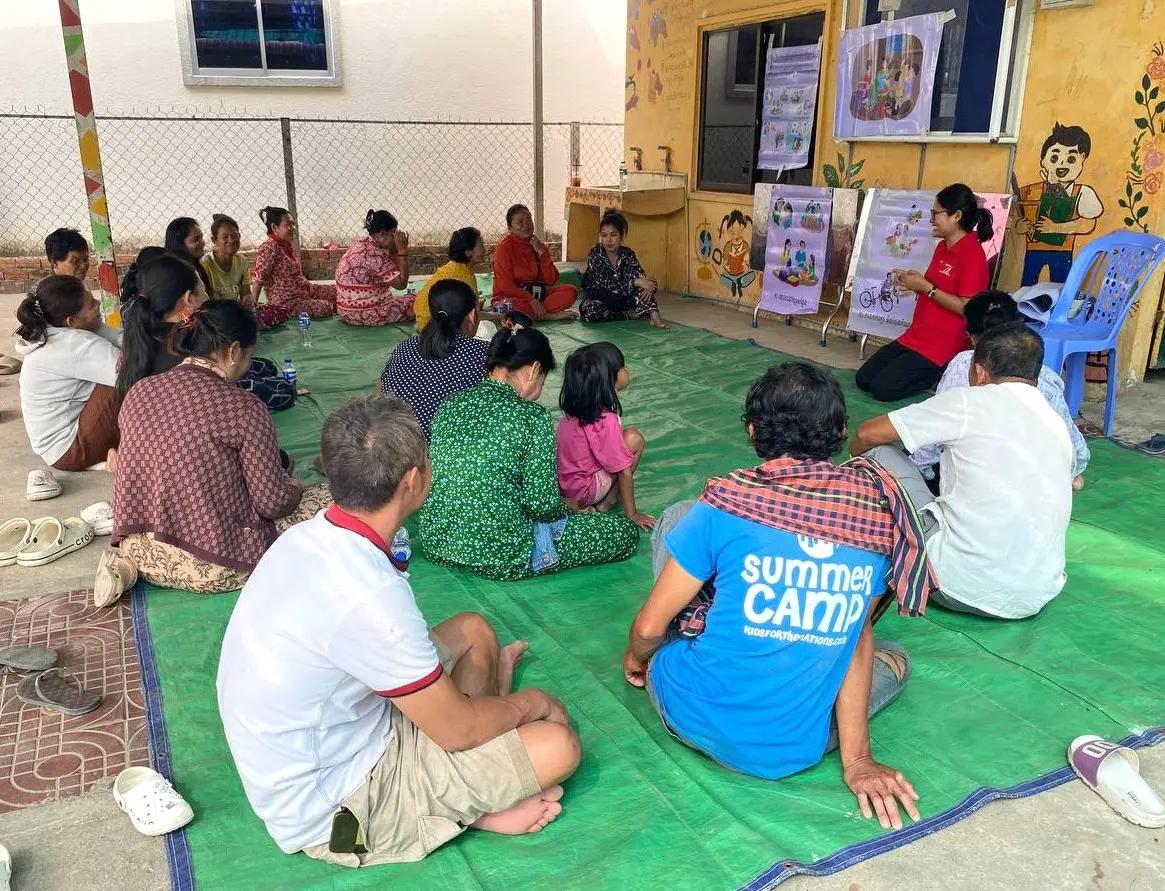
- Promote Safe Migration and Public ServicesBuilds understanding of safe migration among vulnerable families, youth and children in host communities, so they can live safely while receiving appropriate public services from relevant stakeholders and government.
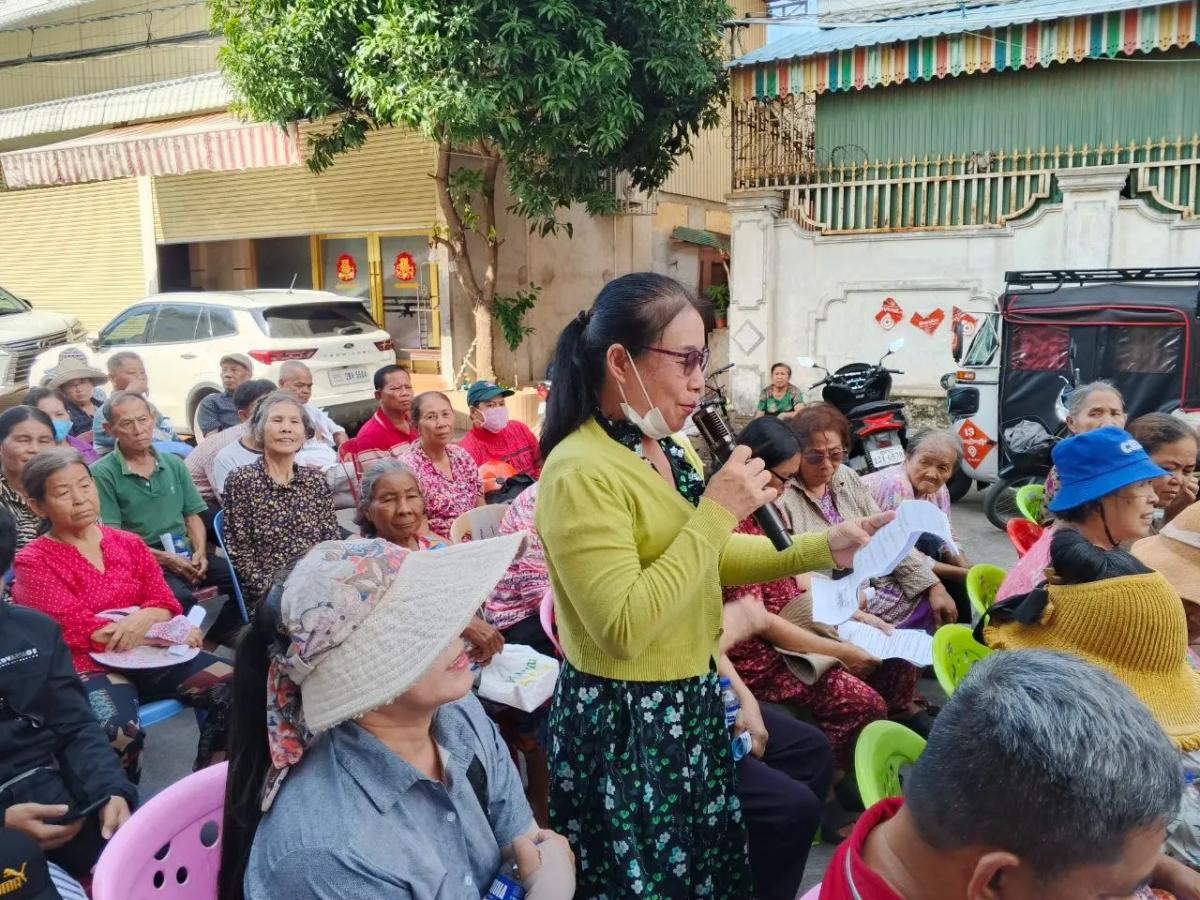
- Public ForumBuilds knowledge of family residency, birth certificates, and Khmer national ID cards, the official documents that support the daily lives of the most vulnerable families, youth, children and migrants, through engagement with sub-national and local authorities.
- Counselling & Referral ServicesIdentifies the root causes of problems facing host and migrant communities, meets basic needs, strengthens capacity, and works towards sustainable solutions through scheduled counselling from social workers and weekly family visits.
- Gender-Based Violence (GBV) TrainingTrains host community and migrant residents on gender concepts and the root causes and impact of GBV, building towards positive change for families and the wider community.
- Men and Women Group DiscussionPromotes understanding and positive practice between men and women, so their daily lives are safer and more supportive, and build a brighter future for children and young people.
- Economic EmpowermentBuilds migrant and host community members’ capacity to manage household income and expenses through microfinance, without added stress.
- Medical and Health SupportProvided medical check-ups and health support to migrant and host-community families, with particular attention to women and girls.
- Women and Girls’ Well-beingPrioritized women and girls in health, protection, counselling, and community support activities.
- School Support Committee MeetingsStrengthened collaboration with schools and School Support Committees to identify and address children’s education, protection, and well-being needs.
- Hygiene and Environmental ActivitiesConducted community and school-based activities to promote hygiene, sanitation, environmental awareness, and healthier living conditions.
- AI Knowledge Sharing for ChildrenIntroduced school children to basic AI concepts through knowledge-sharing activities, helping them understand AI and its potential uses in learning and daily life.
Partner
UNOPS (Cities Alliance), funded by the Swiss Agency for Development and Cooperation.
- Improved Urban Community Resilience: Reached 1,289 direct participants (168% of the original target of 765) through community engagement, awareness-raising, capacity building and support for vulnerable migrant and host-community families across three target areas in Phnom Penh.
- Expanded Community Engagement and Coordination: Reached approximately 31,172 people indirectly (99% of the target of 31,559). Strengthened collaboration among local authorities, community representatives and relevant stakeholders, expanding community-level coordination from the initial two target Sangkats and two Khans to broader engagement across 14 Khans and more than 100 Sangkats.
- Strengthened Family Well-being and Social Support: Delivered more than 3,000 counselling sessions and provided support to 201 vulnerable families through family development services, psychosocial support, parenting guidance and referrals to relevant services.
- Improved Access to Legal Documentation and Social Services: Supported vulnerable families to access essential legal documents and social protection services, including birth certificates, National IDs, Family Books, Staying Books, Equity Cards and NSSF registration. These interventions helped families improve their access to public services and social protection.
- Promoted Gender Equality and Women's Empowerment: Established and strengthened 11 community groups, including women's and men's groups, with 176 unique participants (85 men and 91 women). These groups provided opportunities for discussion, experience-sharing, gender awareness and collective community action.
- Strengthened Child Protection and Education: Conducted community awareness and support activities on child protection, safe online practices, positive parenting and children's well-being. The project also supported nine children to return to school through relevant interventions.
- Improved Access to Health and Community Services: Conducted health awareness and community health activities, helping families better understand available health services and encouraging improved access to local health facilities.
My name is Sok Vanny. I am a 57-year-old widow living in the Andoung 6 community, Sangkat Kouk Roka, Khan Prek Pnov. I am the primary caregiver for my two young grandchildren, who were left in my care after being abandoned by their parents.
In the past, my family faced severe financial hardship and emotional distress. My only source of income came from harvesting wild vegetables and collecting snails to sell, earning barely 7,000 to 10,000 KHR per day. This was hardly enough to cover our basic daily meals, and on days I could not gather anything, we simply had no money for food.
My life began to change for the better after receiving dedicated guidance, encouragement, and support from the Samatapheap Khnom Organization (SKO) team. They helped me understand the far-reaching impacts of living in hardship, particularly the risks of lacking proper legal documentation. SKO supported and facilitated the process of obtaining a Cambodian National ID Card for me and birth certificates for my grandchildren.
These documents have been life-changing “Having birth certificates has made it significantly easier to access medical check-ups and healthcare for my grandchildren. They also allowed me to formally enroll them in school and secure vital nutrition assistance from the Voice Cambodia Organization. While having National ID Card, possessing official identification gives peace of mind, simplifies job applications, and allows to access legal micro-loans safely.
This experience restored my strength and motivated me to keep moving forward. Inspired by this transformation, I now advocate within my village, helping my neighbors understand the importance of legal identity documents.
Currently, I am gathering the necessary paperwork to apply for a Residence Book (Family Book), as the lack of this document still presents daily administrative challenges. Once my file is complete, I will seek further consultation and support from Mrs. Chhay Lim to complete the application process.
Through SKO’s direct support, counselling, community engagement, and facilitation with relevant authorities, families like Sok Vanny are empowered to overcome these barriers and access the rights and services they need. This support is not only helping families obtain essential documentation but also strengthening their confidence, resilience, and ability to build a more secure future for themselves and their children. SKO’s contribution demonstrates that lasting change can begin with something as fundamental as an identity document, when families are empowered, supported, and connected to the services and opportunities available to them.
Urban poor communities, especially in informal settlements, face limited access to basic services, adequate housing, and legal documentation such as birth certificates or ID Poor registration, Cambodia’s national programme that identifies poor households for social protection support. These gaps restrict opportunities for formal employment, healthcare, education and civic participation. That is now beginning to change. This year, Sok Vanny obtained Cambodian citizenship with the support of the Samatapheap Khnom Organization (SKO), a local non-profit and implementing partner in a project aimed at strengthening resilience and inclusion among Phnom Penh’s urban poor.
Other programs
Housing and Living Condition Improvement (HALI)
To enhance the quality of life of families, especially children, youth and women, living in urban poor areas. Using the Family Development Program (FDP) methodology, SKO provides psychological counselling, resilience-building, information, and referrals to essential services (health, education, economic, administrative). The project also aims to reduce domestic violence and promote safe, healthy living.
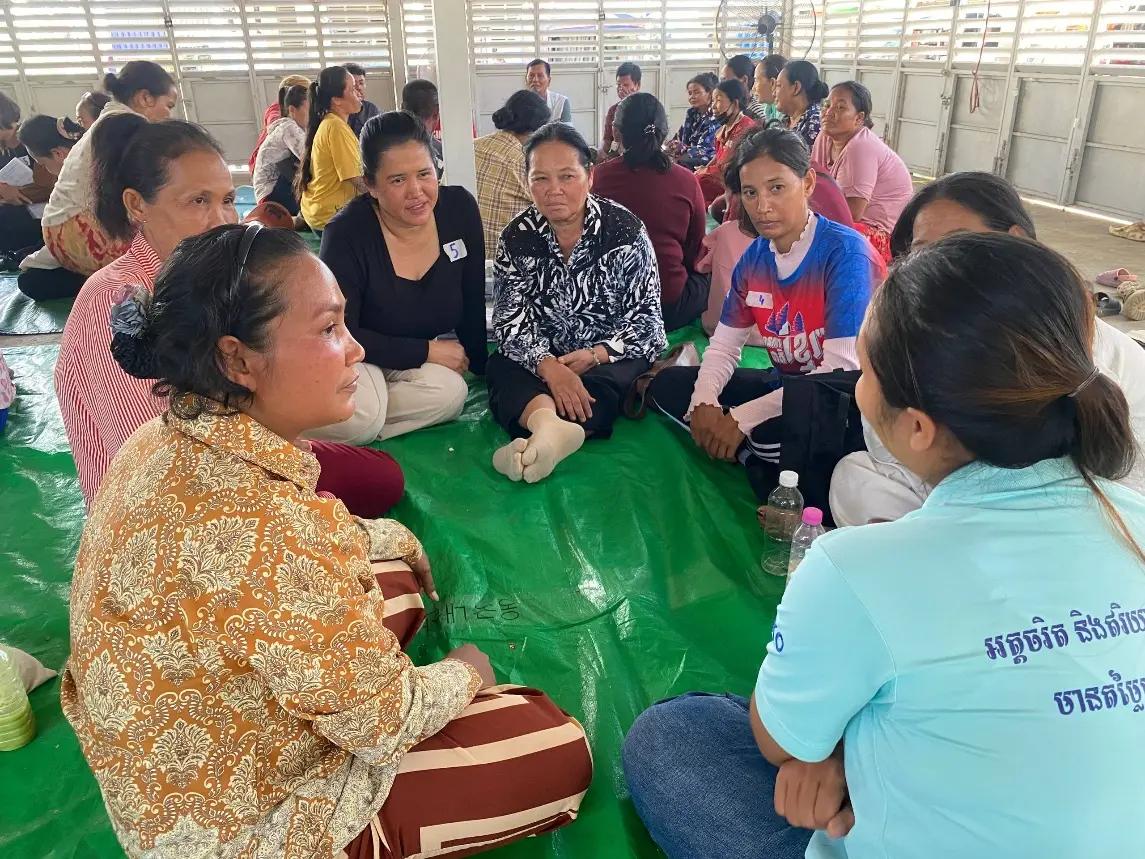
Children's Active Citizenship
To promote understanding of basic education and primary health care among community members, caregivers, and authorities for vulnerable children.
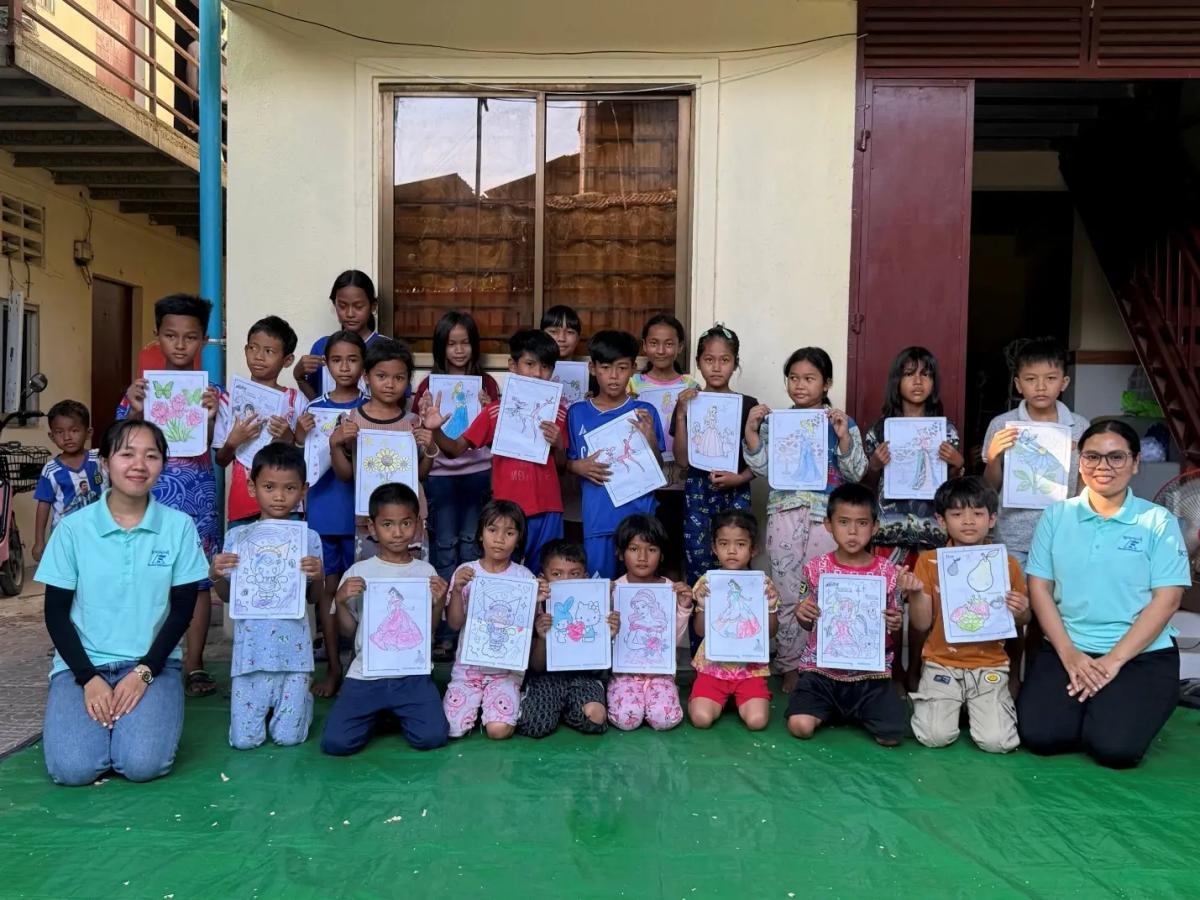
Promoting Children's Education and Health through FDP
To foster awareness among parents, caregivers, and local authorities about the importance of basic education and primary health care for vulnerable children.